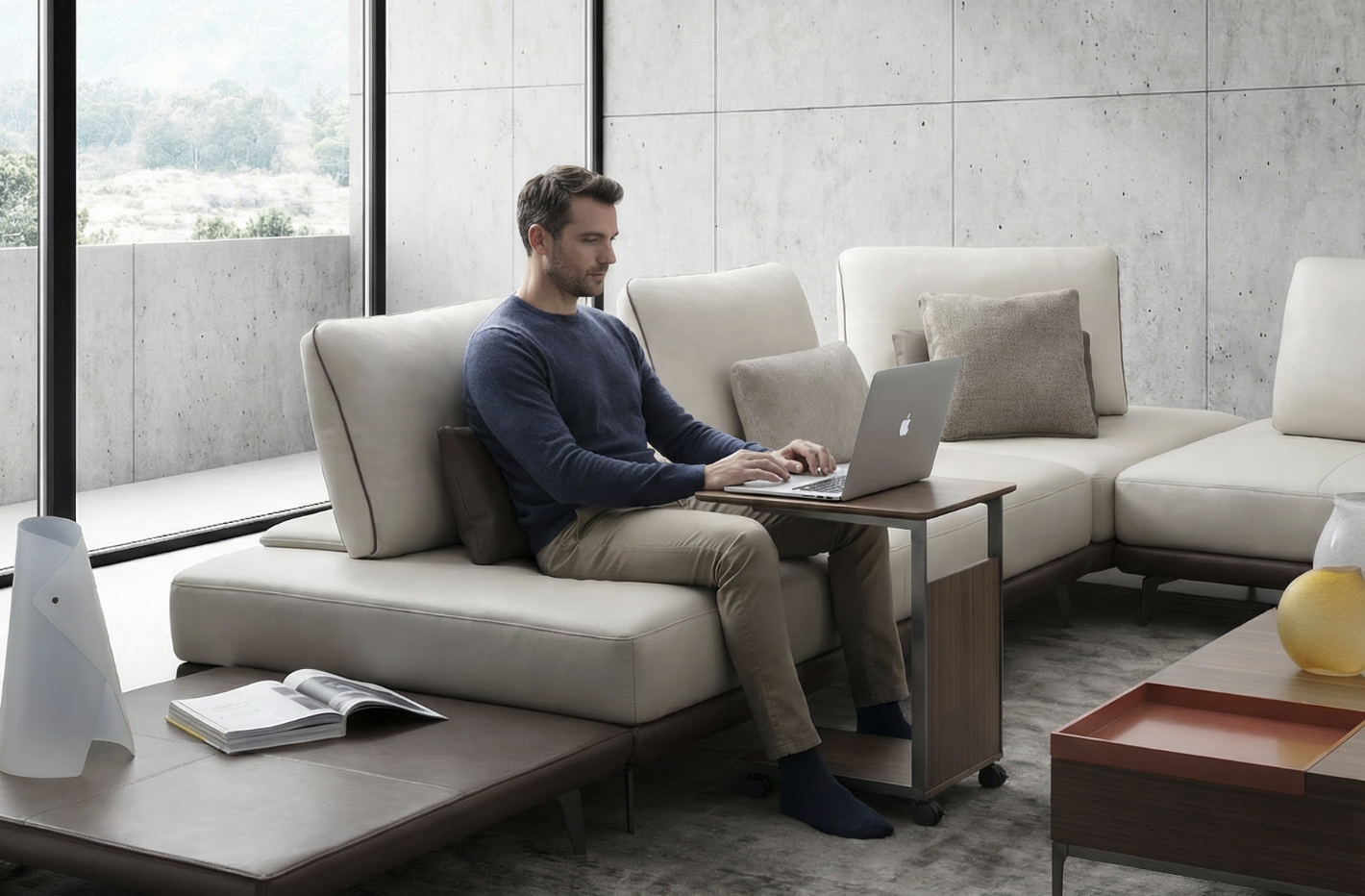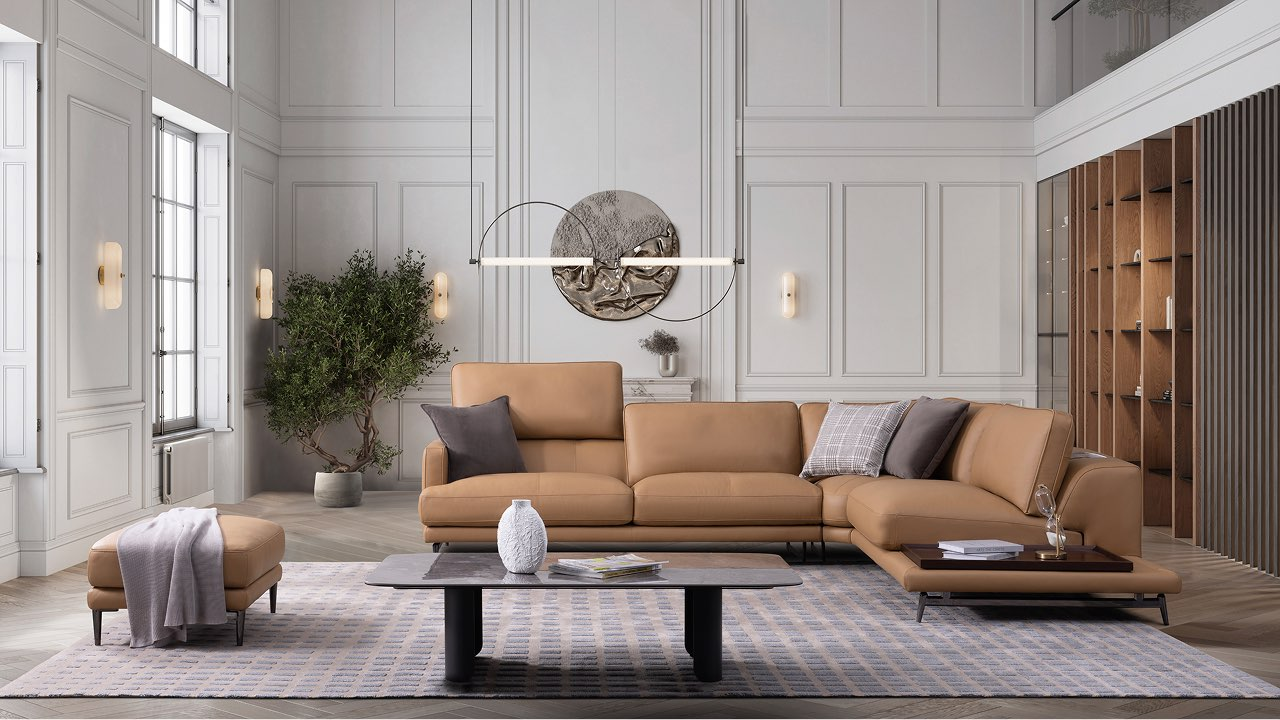
There is a moment most people recognise. You have finished work, closed the laptop, put down the phone… and yet the day has not quite let go of you. You move through your home carrying the residue of everything that happened in it, looking for somewhere to put it down.
A decompression zone is the answer to that moment. Not a spa. Not a meditation room. Simply a part of your home that is designed, with intention, to help you shift from one mode of being to another. Here is how to create one that actually works.
What a Decompression Zone Actually Is
The term sounds more clinical than it needs to. A decompression zone is not a dedicated room or an expensive renovation. It is a considered arrangement of space, furniture, light, and absence of stimulation — a corner, a chair, a sofa, a section of your living room — that signals to your nervous system that the working part of the day is over.

The key word is signals. The physical environment we occupy has a measurable effect on our psychological state. A room full of screens, notifications, and the visual clutter of unfinished tasks keeps the brain in a state of low-level alertness. A space that is quiet, warm, and deliberately free of those things does the opposite. The decompression zone is the intentional version of the latter.
Start With the Seating
The seating is where a decompression zone begins, because it is the thing you are moving toward at the end of a long day. And the seating choice matters more than most people realise.
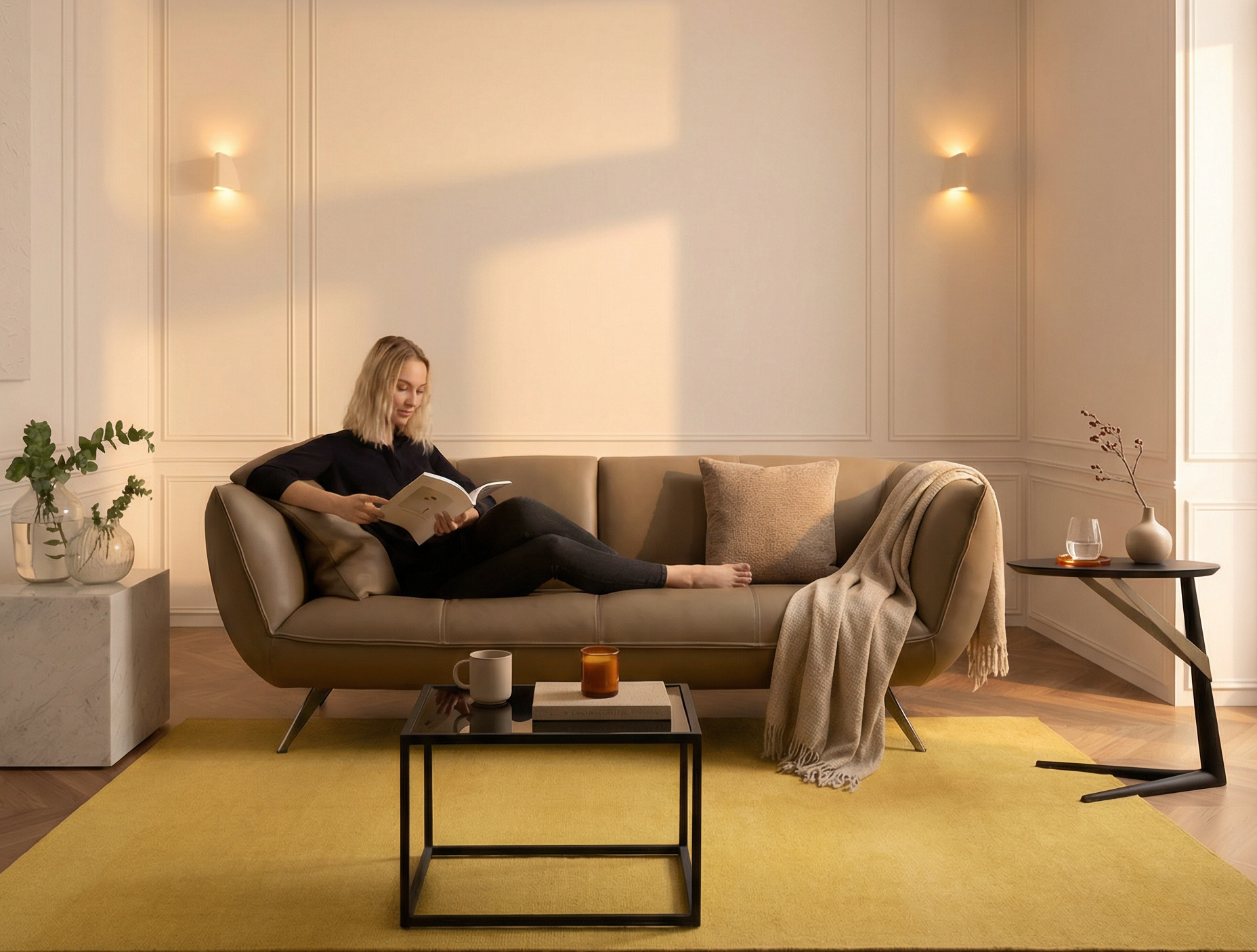
A sofa that is too upright keeps you in a posture associated with alertness and work. A sofa that is genuinely enveloping — one that holds you rather than simply supporting you — sends a different message entirely. The Oscar is a great example: its cocoon-like form and couture-stitched upholstery create a seating experience that is immediately, physically distinct from a desk chair or a straight-backed sofa.
For households where genuine physical decompression is the priority — where the body needs to release as much as the mind — the recliner is worth serious consideration. The prejudice against recliners as somehow less designed than stationary sofas is increasingly hard to justify. The Baskt, for instance, features a zero-gravity reclining function specifically engineered to enhance circulation, alleviate muscle tension, and reduce lower back pressure — outcomes that are directly relevant to anyone spending long days sitting at a desk. The Sequence offers independently adjustable backrests and dual electric motors per seat, meaning each person can find their exact position rather than compromising.
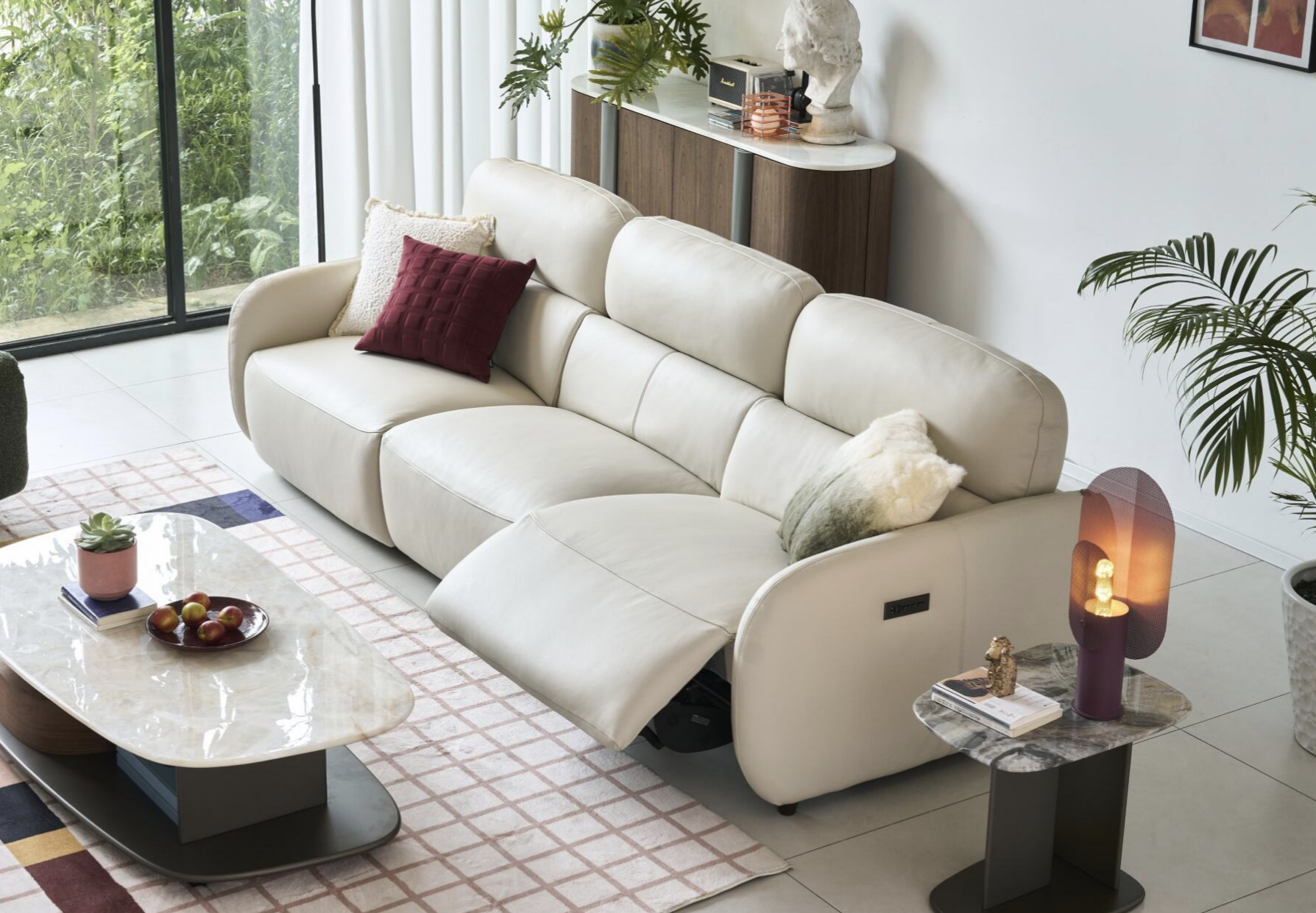
A sofa or chair that actively supports physical recovery is not an indulgence. For people who use their bodies and minds hard all day, it is one of the most functional things a living room can contain.
The Role of Light
Lighting is the most underestimated element of any decompression zone. Overhead lighting — particularly cool-toned, high-lumen overhead lighting — is incompatible with genuine relaxation. It is the lighting of offices and supermarkets, calibrated for visibility and alertness rather than rest.
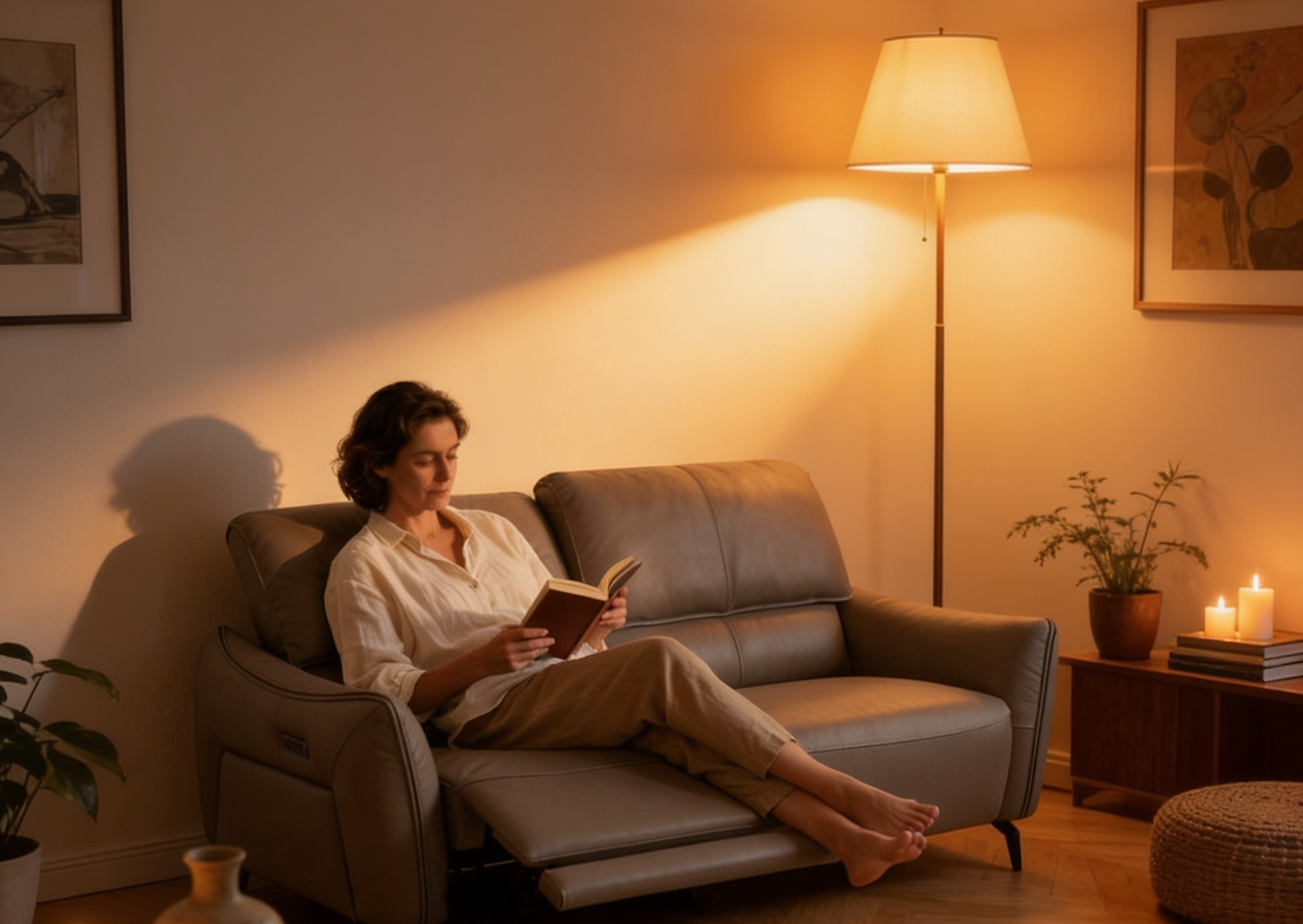
For a decompression zone, the goal is warm, low, directional light. A floor lamp positioned to cast a pool of warmth over the seating area, rather than illuminating the whole room, is the single most effective lighting change most people can make. Dimmer switches, if you have them, should be used. Candles, if you are inclined, work.
The principle is simple: the lower the light level and the warmer its tone, the more clearly the space signals that the working day is over.
Editing the Space
A decompression zone is as much about what is not in it as what is. Screens are the obvious culprit — a television that is always on in the background, a laptop left open on the coffee table, a phone within reach and therefore within thought. These are not compatible with genuine decompression, however familiar their presence has become.
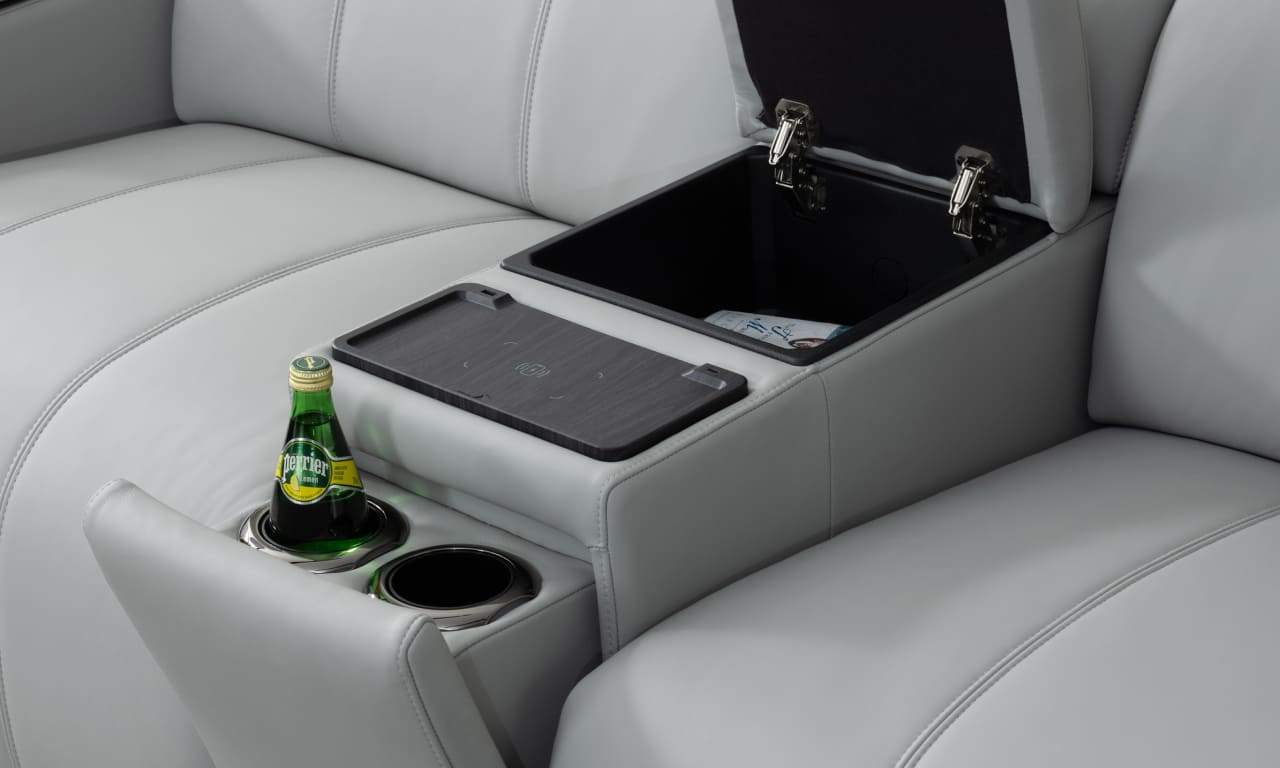
The editing process does not need to be dramatic. It starts with removing the things that do not belong in a space designed for rest — or at least giving them a home that is out of sight when not in use. A coffee table with storage, a side table with a drawer, or even a sofa with an integrated storage like the Bailey.
The visual field matters too. A room with too many competing objects, colours, and points of interest keeps the eye moving and the brain processing. A decompression zone benefits from a degree of visual calm — a limited palette, considered objects, negative space that is allowed to be negative.
A Space Worth Coming Home To
The best decompression zones are not designed in a single afternoon. They are arrived at gradually. A piece added here, something removed there, the light adjusted, the layout reconsidered. What they have in common is intention: the deliberate decision that this part of the home will be protected from the demands of the day.
That intention, more than any specific piece of furniture or arrangement of light, is what makes the difference. The furniture is simply what makes it comfortable enough to stay.
Explore the full Domicil collection at domicilishome.com